Plantar Wart Treatment
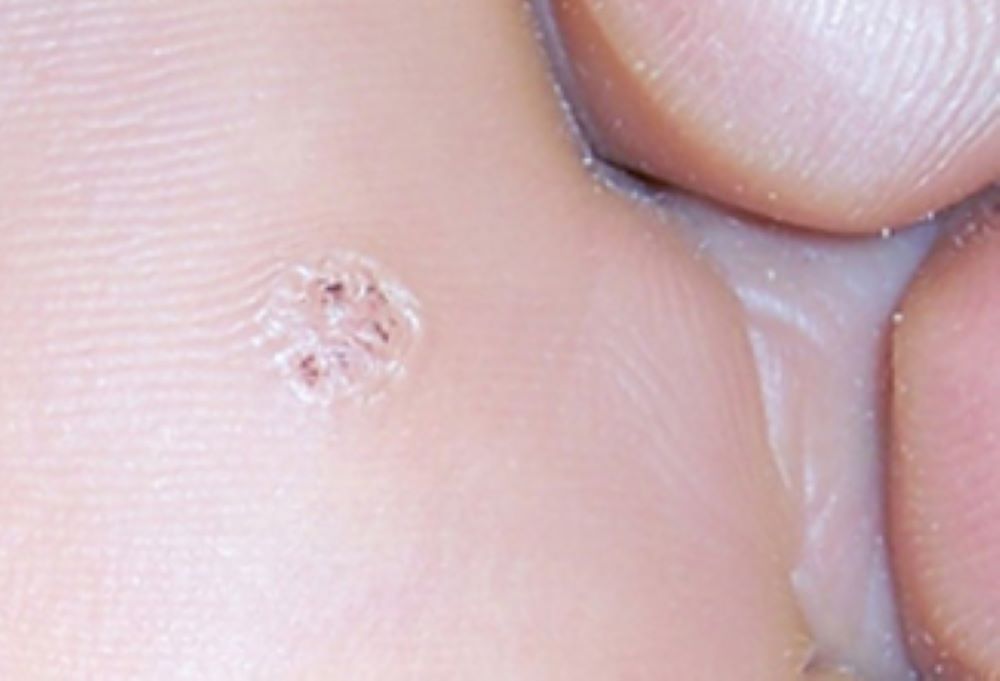
Plantar warts, also known as verrucae, are caused by strains of the human papillomavirus (HPV) that infect the skin on the soles of the feet and toes. Pressure from standing and walking often pushes the wart inwards, so it can resemble an area of thickened skin rather than a raised growth.
A plantar wart can be tender or painful, particularly when it develops on a weight-bearing area. It may appear alone or as part of a cluster known as mosaic warts.
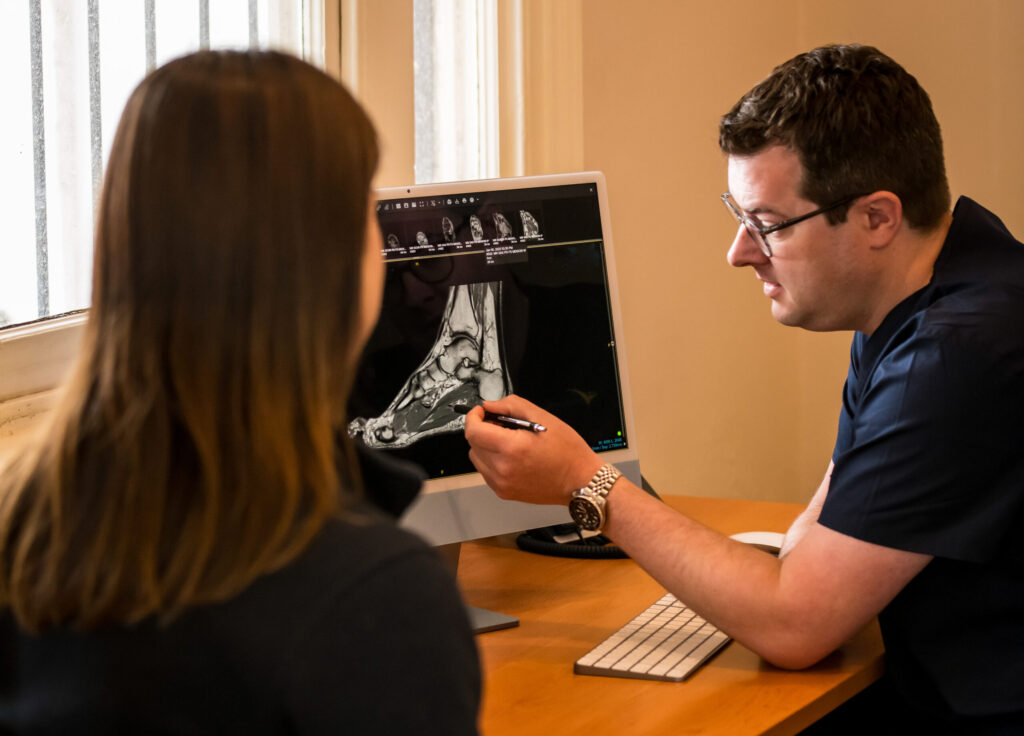
Plantar warts can resemble corns or callus. A podiatry assessment can help confirm the diagnosis and ensure that suitable treatment is recommended.
How are plantar warts spread?
HPV can spread through direct contact or contaminated surfaces. Shared showers, swimming pools and changing rooms can provide opportunities for transmission, particularly when the skin is softened, cut or cracked.
Wearing footwear in communal areas and avoiding unnecessary handling of a wart can help reduce the likelihood of it spreading.
What does a plantar wart look like?
Common features can include:
- An area of rough or thickened skin
- Disruption of the normal skin lines
- Tiny red or black dots within the lesion
- Tenderness with direct pressure or pressure from the sides
- A single lesion or a cluster of smaller warts
Not every plantar wart has all of these features. If you are uncertain about a lesion, a podiatry assessment can help confirm the diagnosis.
Do plantar warts need treatment?
Some plantar warts clear without treatment. Active treatment may be recommended when a wart is painful, persistent, spreading, affecting walking or difficult to distinguish from another skin lesion.
Following an assessment, treatment options may include:
- Topical preparations – treatments such as salicylic acid or Upton’s paste that gradually break down thickened wart tissue
- Cryotherapy – controlled freezing of the wart using liquid nitrogen
- Procedural treatment – options such as curettage or Falknor’s needling for selected persistent warts
- Immunotherapy – considered in some treatment-resistant cases
No single treatment is appropriate for every plantar wart. Your podiatrist will recommend an option based on your medical history, symptoms and the wart’s type, size and location.
Cryotherapy for plantar warts
Prahran Foot Clinic uses a Brymill Cry-Ac® liquid-nitrogen delivery system to provide controlled, targeted treatment for plantar warts. Its range of spray tips and probes allows your podiatrist to choose a technique suited to the wart’s size and location while limiting unnecessary exposure to the surrounding skin.
Cryotherapy can cause brief discomfort during treatment and temporary soreness or blistering afterwards. Plantar warts often require several treatment sessions, and results vary between patients.
Your podiatrist will explain what to expect, discuss aftercare and advise whether cryotherapy or another treatment option is most suitable for you.

Frequently asked questions
Are plantar warts contagious?
Yes. The HPV strains that cause plantar warts can spread through direct skin contact or contaminated surfaces. Avoid picking the wart, sharing files or pumice stones, and walking barefoot in communal wet areas.
Will a plantar wart go away without treatment?
Some plantar warts clear over time, but this can take months or longer. An assessment is worthwhile if the wart is painful, spreading, persistent or difficult to identify.
How many cryotherapy treatments might I need?
The number of treatments varies according to the wart’s size, location and response. Several sessions may be required, and your podiatrist will reassess the area at each visit.
Is cryotherapy for plantar warts painful?
Cryotherapy can cause brief stinging or discomfort during treatment. Temporary soreness or blistering can occur afterwards, and your podiatrist will explain appropriate aftercare.
Can a plantar wart return after treatment?
Yes. Recurrence is possible because HPV can remain in the surrounding skin. No treatment can guarantee that a plantar wart will not return.
Consult with Our
Experienced Podiatrists
Our experienced podiatrists provide personalised, evidence-based care for foot and ankle conditions.

Get in touch
Have a question or need help arranging an appointment?
Contact our friendly team and we’ll respond as soon as possible.
Ready to book? Use our online booking system.
Opening Hours
Mon–Fri: 10 am–7 pm
Sat: 9 am–1 pm