Clear diagnosis and targeted treatment
Ball of Foot Pain (Forefoot Pain)
Pain beneath the ball of your foot can make walking feel sharp, bruised or as though there is a pebble inside your shoe.
Forefoot pain is often called metatarsalgia, but that term describes a symptom rather than one specific condition. Our podiatrists identify the structure causing your pain and begin a practical, individual treatment plan at your first appointment.
Finding the source of the pain
What causes pain in the ball of the foot?
The forefoot contains small joints, nerves, bones, tendons and supporting soft tissues. Similar symptoms can arise from different structures, so an accurate assessment matters.
Pain beneath a toe joint
This can feel bruised or tender during push-off and can be associated with plantar plate dysfunction, capsulitis or mechanical overload.
Burning, tingling or numbness
Nerve irritation, including an intermetatarsal neuroma, can cause shooting pain or altered sensation into the toes.
A pebble or marble sensation
Neuroma, intermetatarsal bursitis and plantar plate problems can all create the feeling of something beneath the forefoot.
Swelling or toe-position changes
Inflammation or loss of joint support can lead to swelling and a toe that starts to lift, drift or separate from its neighbour.
Painful corns or callus
Repeated pressure can produce thickened skin beneath a metatarsal head or around the toes, which can itself become painful.
Sudden or persistent focal pain
Stress injury, arthritis and other less common conditions need to be considered, particularly when pain is localised or worsening.
Metatarsalgia is not a single diagnosis
Metatarsalgia simply means pain around the metatarsal region. Your treatment should address the underlying cause rather than the label alone.
Common forefoot conditions
Plantar plate dysfunction
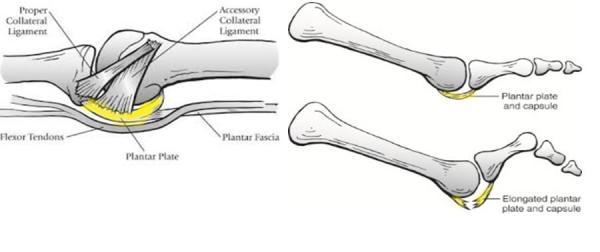
The plantar plate is a strong supporting structure beneath the toe joint. It helps stabilise the toe and resist excessive upward movement during walking.
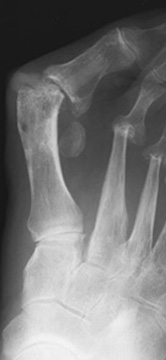
The second toe joint is affected most often. Symptoms can include pain beneath the joint, swelling, a pebble-like feeling and a toe that gradually lifts or drifts as the problem progresses.
Treatment is matched to the stage of the condition and can include taping, footwear and activity modification, metatarsal offloading, foot orthotics and carbon-fibre shoe inserts. A CAM walker can provide stronger temporary protection when required.
Other common causes
Conditions that can produce forefoot pain
Intermetatarsal neuroma and bursitis
An intermetatarsal neuroma involves irritation and thickening of a nerve between the metatarsal bones. The nearby bursa can also become inflamed, and both conditions can occur together. Burning, tingling, numbness or shooting pain into the toes is common.
Management can include footwear changes, metatarsal padding, orthotics, injection therapy and radial shockwave therapy, depending on the assessment.
Bunions and big toe joint pain
A bunion involves a gradual change in the alignment of the big toe joint. Inherited anatomy, foot mechanics and footwear can all influence symptoms. The joint may become painful, the prominent area may rub in shoes and pressure can transfer beneath the lesser metatarsals.
Footwear recommendations, padding, foot orthotics and activity advice can reduce pressure and improve comfort. Your podiatrist will explain the realistic goals of conservative treatment.
Mechanical overload, capsulitis, corns and callus
Pressure can build beneath a metatarsal head due to activity, footwear, toe or foot shape, joint mechanics or reduced fat-pad cushioning. Capsulitis causes pain and inflammation around a joint, while corns and callus develop in response to repeated pressure and can also become painful.
Treatment can include footwear advice, padding and offloading, professional corn and callus care, taping and orthotics.
Stress injury, arthritis and less common causes
A bone stress reaction or fracture, Freiberg disease, degenerative or inflammatory arthritis and some nerve conditions can also cause forefoot pain. These conditions require a different plan from routine pressure-related pain.
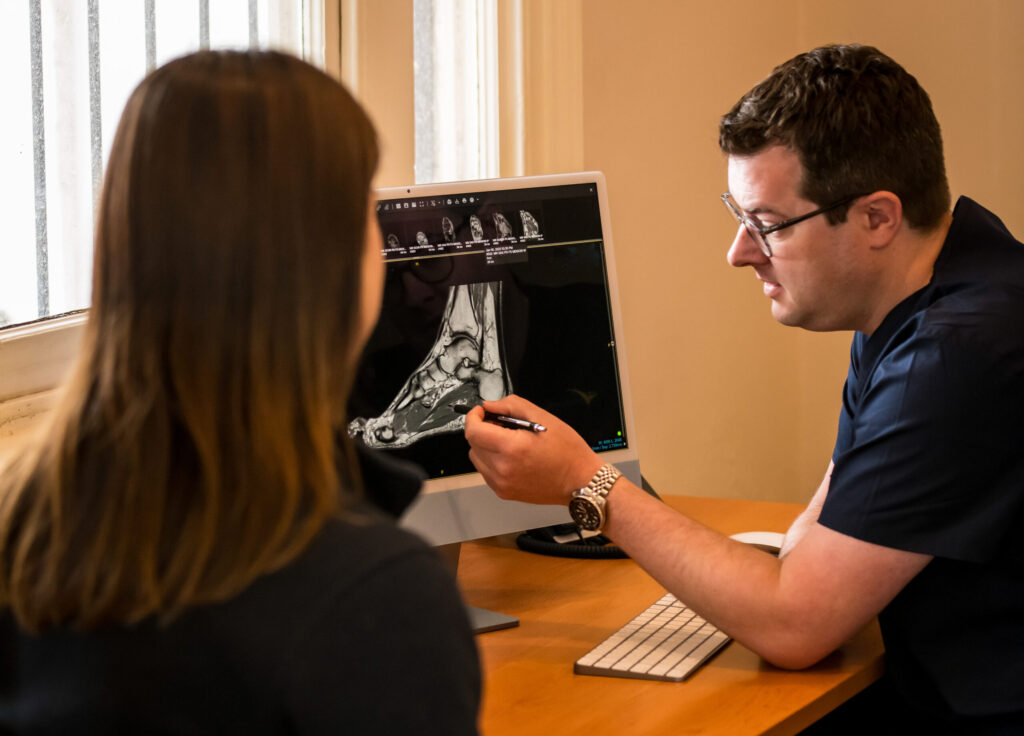
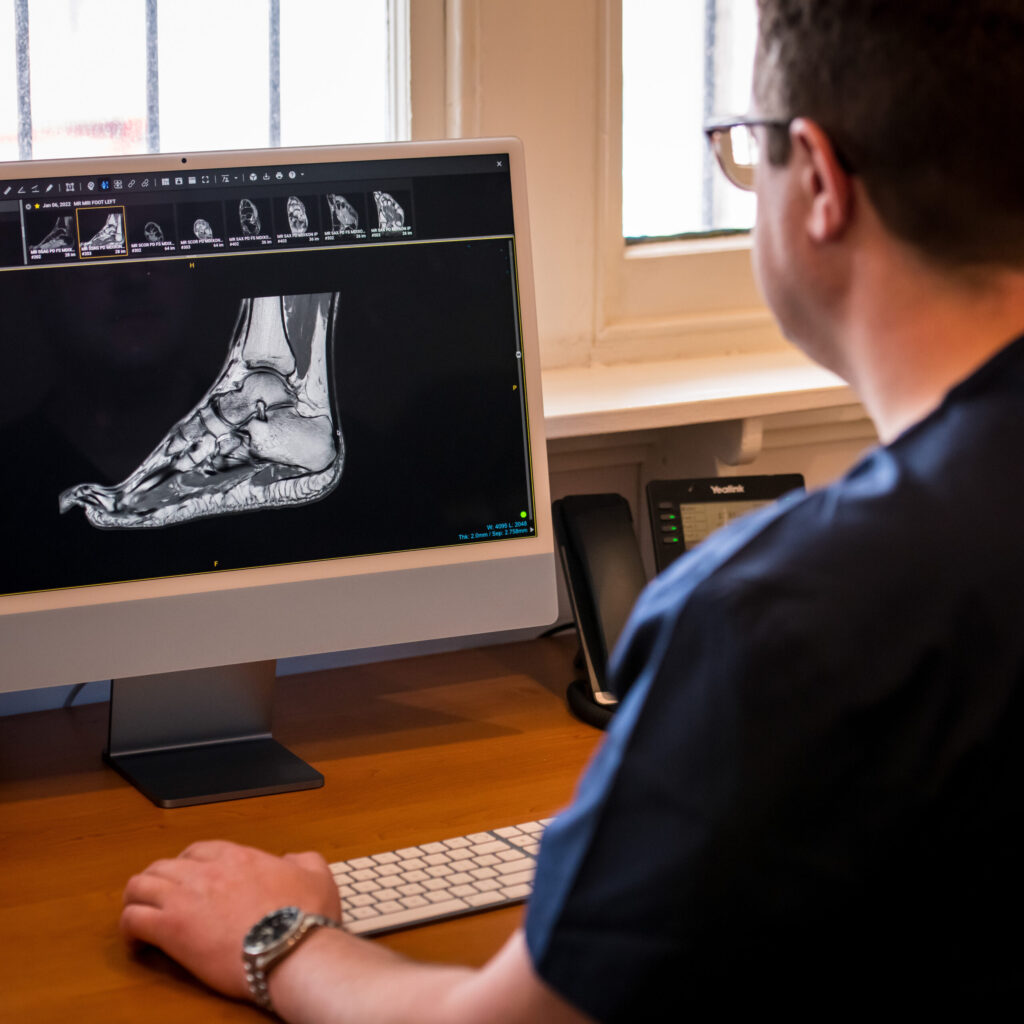
Your podiatrist will identify features that require further investigation and arrange X-ray, ultrasound or MRI when required.
Your first consultation
What happens at your appointment?
Your podiatrist will work out which structure is painful, explain the diagnosis clearly and begin appropriate management at your first appointment.
Comprehensive assessment
We discuss when the pain began, where it is felt, aggravating activities, footwear, medical history and previous treatment. The foot and toe joints are then examined carefully.
Clear diagnosis
Your podiatrist assesses joint stability, nerve symptoms, pressure patterns, strength and walking mechanics. X-ray, ultrasound or MRI will be arranged when required.
Treatment begins
Practical care can begin immediately and may include padding, taping, footwear changes or activity guidance, followed by a clear plan for recovery and review.
Individual treatment
How is ball of foot pain treated?
Treatment depends on the underlying diagnosis, how long symptoms have been present and the demands of your work, footwear, exercise and daily life.
Footwear and load advice
Practical recommendations can reduce aggravating pressure while keeping you as active as your condition allows.
Taping, padding and offloading
Targeted support can reduce pressure beneath a painful joint or nerve and is often useful from the first appointment.
Orthotics and insoles
Prefabricated or custom devices can redistribute pressure, improve footwear comfort and support the affected region.
Radial shockwave therapy
Shockwave therapy can form part of the treatment plan for appropriate persistent soft-tissue and neuroma-related presentations.
Injection therapy
For some conditions, an injection can be considered alongside offloading and rehabilitation. The purpose, alternatives and risks are explained beforehand.
Temporary immobilisation
A CAM walker or stiff insert can protect a painful joint or bone when stronger short-term support is required.
Helpful answers
Frequently asked questions about ball of foot pain
Is metatarsalgia a diagnosis?
Not usually. Metatarsalgia describes pain in the region of the metatarsal heads. Your podiatrist will assess whether the pain comes from a joint, plantar plate, nerve, bursa, bone, pressure lesion or another structure.
Why does it feel as though there is a pebble under my foot?
A pebble or marble sensation can occur with an intermetatarsal neuroma, bursitis, plantar plate dysfunction or localised pressure beneath a metatarsal head. Examination helps distinguish between these causes.
Can orthotics help ball of foot pain?
Yes. Orthotics can redistribute pressure and support the painful region when they are matched to the diagnosis, footwear and activity. A prefabricated device may be sufficient for some people, while others benefit from a custom prescription.
Do I need an X-ray, ultrasound or MRI?
Not everyone requires imaging. Your podiatrist will arrange the appropriate test when it is required to clarify the diagnosis, assess a suspected stress injury or guide management.
Can corns or callus cause pain in the forefoot?
Yes. Thickened skin forms in response to repeated pressure and can become painful, particularly beneath a metatarsal head or around a toe. Treatment should address both the skin lesion and the pressure causing it.
When should I arrange an appointment?
Arrange an assessment when pain persists, affects walking or footwear, keeps returning, causes burning or numbness, or is associated with swelling or a change in toe position. Sudden severe pain or an inability to bear weight should be assessed promptly.
Clinical references
- Differential diagnosis and management of metatarsalgia
- Nonsurgical management of lesser-toe plantar plate injuries
- Systematic review and meta-analysis of treatments for Morton’s neuroma
- Systematic review of orthoses for hallux valgus
Clinically reviewed by Prahran Foot Clinic’s registered podiatrists. Updated August 2026.
Consult with Our
Experienced Podiatrists
Our experienced podiatrists provide personalised, evidence-based care for foot and ankle conditions.

Get in touch
Have a question or need help arranging an appointment?
Contact our friendly team and we’ll respond as soon as possible.
Ready to book? Use our online booking system.
Opening Hours
Mon–Fri: 10 am–7 pm
Sat: 9 am–1 pm