Podiatrist assessing an ingrown toenail at Prahran Foot Clinic

Prompt relief and long-term treatment options

Ingrown Toenail Treatment in Prahran, Melbourne

An ingrown toenail can quickly become painful, swollen and difficult to ignore. Our podiatrists carefully assess the nail, reduce pressure on the tender skin and begin practical treatment at your first appointment.

Many ingrown toenails can be treated conservatively. For curved, persistent or recurrent nails, we also provide nail bracing and ingrown toenail surgery at our Prahran clinic.

Understanding the condition

What is an ingrown toenail?

An ingrown toenail, also known as onychocryptosis, develops when the edge of a toenail presses into or pierces the surrounding skin. The big toe is affected most often, although any toenail can become ingrown.

Diagram of an ingrown big toenail showing the nail edge pressing into the surrounding nail fold
An ingrown toenail develops when the nail edge presses into or pierces the surrounding nail fold, causing pain, redness and swelling.

Pain and tenderness

Pressure from shoes, walking, sport or even a bedsheet can make the side of the toe painful and sensitive.

Redness and swelling

The skin beside the nail can become inflamed, swollen or raised as the nail edge continues to irritate it.

Bleeding or discharge

A more advanced ingrown toenail can develop broken skin, overgrown tissue, bleeding or pus and should be assessed promptly.

Why has my toenail become ingrown?

Common contributing factors include a naturally curved or wide nail, cutting the nail too short or down the sides, tight footwear, repeated pressure from sport, injury to the toe, sweaty or softened skin and a thickened or damaged nail. Ingrown toenails are not always caused by incorrect nail cutting.

Treatment matched to the nail

Ingrown toenail treatment options

The best treatment depends on the shape of the nail, the condition of the surrounding skin, whether infection is present and whether the problem has occurred before.

Conservative care

Careful treatment of the nail edge

Your podiatrist can identify and carefully remove the offending nail edge or spike, reduce pressure on the skin and apply a dressing where required. This often provides prompt relief without surgery.

Non-surgical correction

Nail bracing

For curved or involuted nails, a discreet brace can be applied to guide the nail towards a flatter shape and reduce pressure along the nail edge.

Long-term treatment

Partial nail avulsion

For persistent, recurrent or more advanced ingrown toenails, a narrow section of the nail can be removed under local anaesthetic. Phenol is applied to the corresponding nail matrix to reduce the likelihood of that edge growing back.

A well-established option for recurrent ingrown toenails

Research shows that applying phenol after partial nail avulsion reduces recurrence compared with nail removal alone. Our dedicated Ingrown Nail Surgery page explains the procedure, recovery, aftercare and fees in detail.

Your first consultation

What to expect at your appointment

Your podiatrist will explain what is causing the problem, begin appropriate treatment and provide a clear plan to settle the toe and reduce the likelihood of recurrence.

Comprehensive assessment

We examine the nail shape, the affected edge, surrounding skin, footwear pressure and any signs of infection. Your circulation, medical history and previous episodes are also considered.

Treatment begins

Where appropriate, the painful nail edge can be treated during the appointment. Your podiatrist will keep you informed and work carefully to minimise discomfort.

A plan to prevent recurrence

You will receive practical advice about nail care, footwear and dressing the toe. If nail bracing or surgery is the better long-term option, we will explain why and answer your questions.

Protecting the toe

What can you do before your appointment?

  • Wear shoes with enough width and depth around the toes.
  • Keep the toe clean and dry, and cover broken skin with a clean dressing.
  • Avoid digging down the side of the nail or trying to remove it yourself.
  • Do not cut the nail extremely short; allow the corners to grow forward.
Arrange prompt assessment if the toe has increasing redness, warmth, swelling, pus, throbbing pain or spreading infection. People with diabetes, reduced circulation, reduced sensation or impaired immunity should seek professional care rather than attempting home treatment.

Helpful answers

Frequently asked questions about ingrown toenails

Can an ingrown toenail be treated at my first appointment?

Yes. Following assessment, practical treatment often begins at your first appointment. Where appropriate, your podiatrist can carefully clear the painful nail edge, reduce pressure and dress the area.

Should I cut out the ingrown corner myself?

No. Digging down the side of the nail can leave a sharp spike, injure the skin and make the problem worse. Keep the toe clean, use roomy footwear and arrange an appointment if it remains painful or inflamed.

Do I need antibiotics?

Antibiotics are not required for every ingrown toenail and do not remove the offending nail edge. If infection is present or spreading, your podiatrist will explain whether medical review and antibiotics are required.

Can nail bracing help?

Yes. Nail bracing can be an effective non-surgical option for curved or involuted nails. The brace gradually guides the nail towards a flatter shape and reduces pressure on the surrounding skin.

When is ingrown toenail surgery recommended?

Partial nail avulsion is commonly recommended when an ingrown toenail is persistent, recurrent, significantly inflamed or has not responded adequately to conservative care.

Does ingrown toenail surgery hurt?

Local anaesthetic is injected at the base of the toe. The injection can cause brief discomfort, but the toe is completely numb before the procedure begins.

Will the whole toenail be removed?

Usually only the narrow, troublesome edge is removed, leaving the remainder of the nail intact. Your podiatrist will explain the recommended procedure after assessing the nail.

Clinical references

Clinically reviewed by Prahran Foot Clinic’s registered podiatrists. Updated August 2026.

Ready to get comfortable again? Book an ingrown toenail assessment with our Prahran podiatrists, or call our friendly team on (03) 9529 6608.

Consult with Our
Experienced Podiatrists

Our experienced podiatrists provide personalised, evidence-based care for foot and ankle conditions.

  • Registered and experienced podiatrists
  • Personalised and attentive care
  • Evidence-based assessment and treatment options
  • Modern clinical equipment and rigorous infection-control procedures
  • Convenient Prahran location, minutes from Melbourne CBD
  • Evening and Saturday appointments available
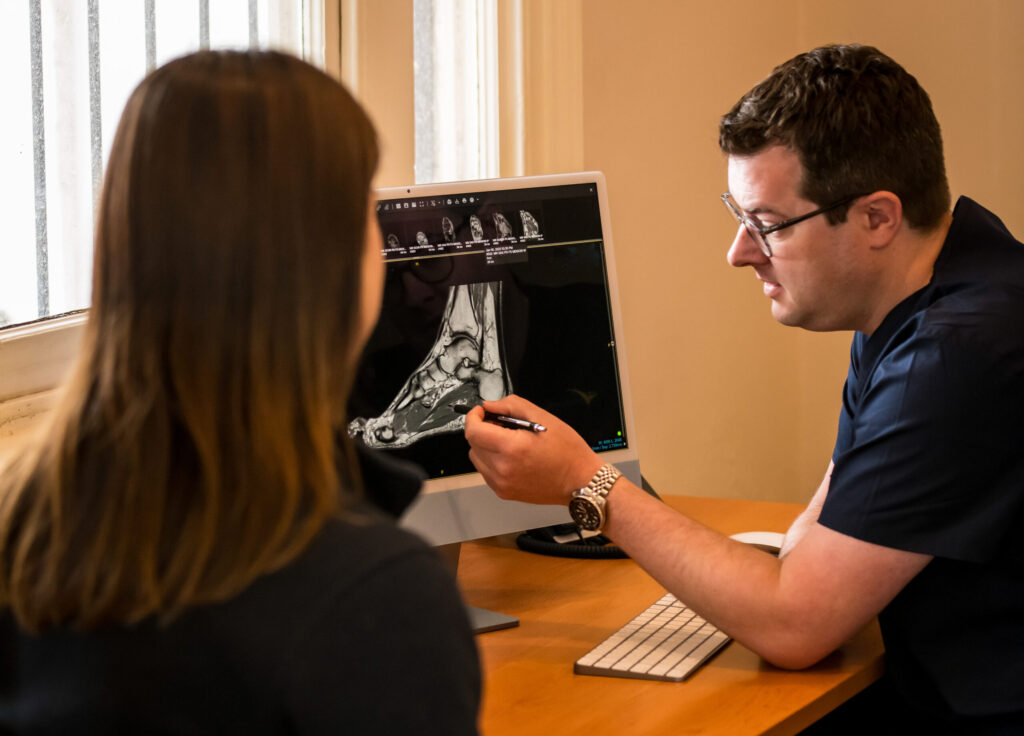
Podiatrist discussing an ankle MRI scan with a patient

Get in touch

Have a question or need help arranging an appointment?
Contact our friendly team and we’ll respond as soon as possible.
Ready to book? Use our online booking system.